Category Archives: Carpenters cutting tools

Electric Hand Saw Tool – The Ultimate Guide for DIYers and Professionals

An electric hand saw is a power-driven cutting tool designed to replace the manual effort of traditional sawing. By utilizing an electric motor—powered either by a corded outlet or a high-capacity lithium-ion battery—these tools drive a blade at high speeds to cut through wood, metal, plastic, and even masonry. Unlike stationary table saws, electric hand saws are portable, allowing the user to bring the tool to the workpiece. In 2026, the industry has seen a massive shift toward brushless motor technology, which offers higher efficiency, longer tool life, and smarter power management than older brushed models. Electric hand saws deliver faster cutting speed, cleaner edges, and consistent accuracy with significantly less physical effort.
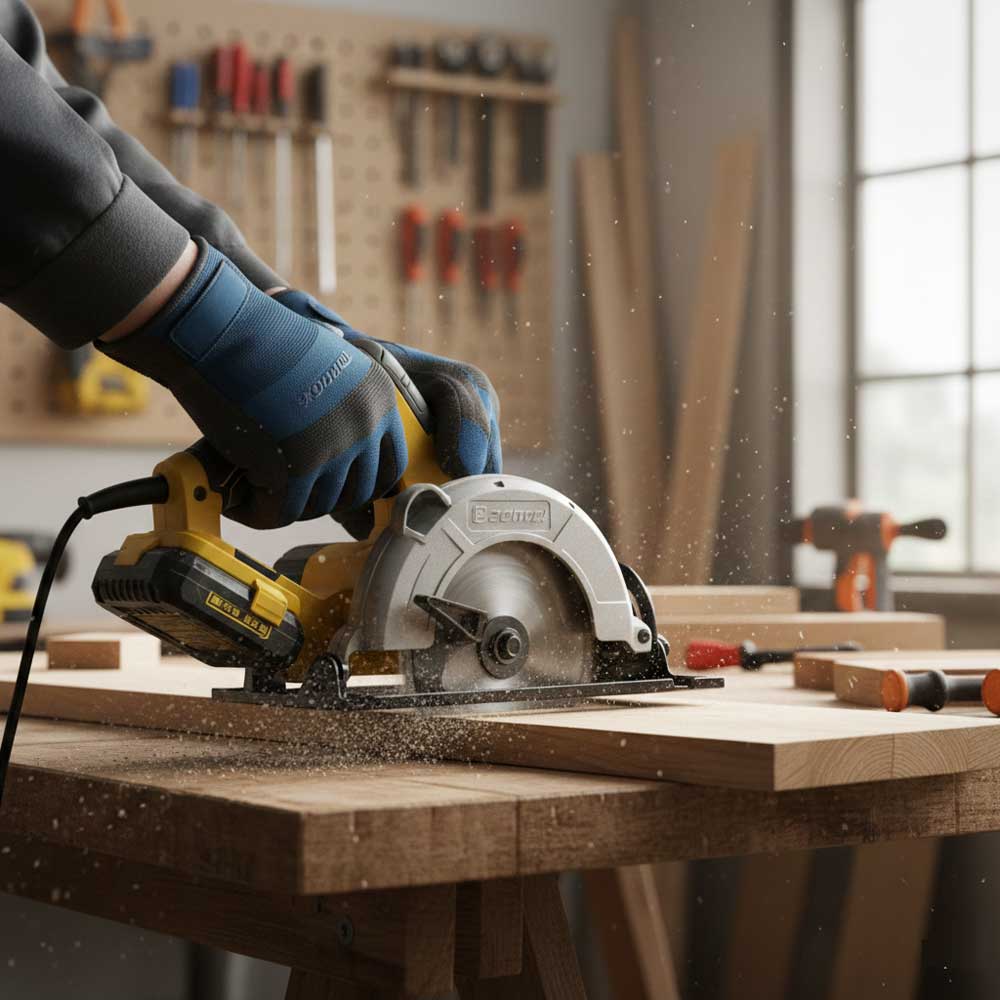
electric hand saw tool

Types of Electric Hand Saws

Choosing the right saw depends entirely on the type of cut you need—whether it’s a straight rip cut, a curved decorative cut, or a rough demolition cut.

  1. Circular Saws
    The workhorse of construction. These use a round, toothed blade to make fast, straight cuts in lumber, plywood, and MDF. They are essential for framing and decking.
  2. Jigsaws
    If you need to cut curves, circles, or intricate shapes, the jigsaw is your best friend. It uses a thin, reciprocating blade that moves up and down. Modern jigsaws feature orbital action, which moves the blade in a slight circular motion for faster cutting.
  3. Reciprocating Saws (Sawsall)
    Designed for “rough-in” work and demolition. The blade moves back and forth like a high-speed manual saw. It’s perfect for cutting through nails, pipes, and old wall studs.
  4. Oscillating Multi-Tools
    A versatile compact saw that uses a vibrating blade. It excels at “plunge cuts,” such as cutting an opening in drywall for an electrical box or trimming door casings.
  5. Mini Circular Saws (Compact Saws)
    A smaller, one-handed version of the circular saw. It’s ideal for DIYers who find full-sized saws intimidating or for working in tight spaces.

Uses of Electric Hand Saw Tool

Electric hand saws are versatile tools across industries and home use.

Common Applications

  • Cutting wooden boards, beams, and panels
  • Trimming doors and shelves
  • Making furniture and cabinets
  • Cutting metal pipes (with correct blade)
  • DIY crafts and home décor
  • Garden pruning (reciprocating saw)

Industries That Use Electric Hand Saws

  • Construction & renovation
  • Furniture manufacturing
  • Electrical and plumbing work
  • DIY and hobby workshops

Electric Hand Saw vs. Manual Saw

While manual saws still have a place for quick, precision tasks, electric versions dominate for several reasons:

FeatureElectric Hand SawManual Hand Saw
SpeedExtremely fast; finishes jobs in seconds.Slow; requires significant physical effort.
AccuracyHigh (with guides); less fatigue leads to straighter cuts.Variable; dependent on user skill and stamina.
VersatilityCan cut wood, metal, and masonry with blade swaps.Usually limited to one material type per saw.
Power SourceElectric/BatteryHuman
PortabilityLimited by battery life or cord length.Infinite; requires no power source.
CostHigher initial investment ($50 – $300+).Low cost ($10 – $30).
ProductivityProfessional-gradeLimited

How to Use an Electric Hand Saw Safely

Power saws are responsible for thousands of emergency room visits annually. Safety is non-negotiable.

  • Wear PPE: Always wear impact-resistant safety glasses and gloves. Use ear protection for louder saws (like circular saws) and a dust mask when cutting MDF or treated lumber.
  • Check the Blade: Ensure the blade is sharp and appropriate for the material. A dull blade is more likely to “kick back.”
  • Secure the Workpiece: Use clamps. Never hold the piece you are cutting with your hand; the saw can bind and jump.
  • Mind the Cord: If using a corded saw, ensure the lead is behind you and away from the cutting path.
  • Let the Saw Reach Full Speed: Do not start the cut with the blade touching the material. Pull the trigger, let it reach max RPM, and then engage the wood. Safety is critical when using high-speed cutting tools.
  • Keep hands away from the blade
  • Disconnect power when changing blades
  • Never force the saw—let it cut naturally

Best Electric Hand Saw for Home & DIY

For home users and beginners, focus on ease of use, safety, and versatility rather than industrial power. Key Features to Look For: Lightweight design, Ergonomic handle, Tool-free blade change, Battery level indicator (cordless), Variable speed control. For the average homeowner, the best “all-rounder” is a 18V/20V Cordless Circular Saw or a Compact Multi-Saw.

  • Top Pick for Versatility: The Cordless Jigsaw. It handles both straight and curved cuts, making it perfect for most hobbyist projects.
  • Top Pick for Maintenance: The Reciprocating Saw. If you have a garden with trees or an old shed to tear down, this is the tool you need.
  • Top Pick for Accuracy: The 6-1/2 inch Circular Saw. Lighter than the professional 7-1/4 inch versions, but powerful enough for almost any home repair.

Electric Hand Saw Price & Buying Tips

Price Ranges (2026 Estimates)

  • Budget ($40–$70): Corded models from entry-level brands. Good for occasional use.
  • Mid-Range ($80–$180): High-quality cordless tools (tool-only). Ideal for serious DIYers.
  • Professional ($200+): Heavy-duty brushless kits with high-amp hour batteries.

What to Look For

  • Battery Ecosystem: If you already own a cordless drill, buy a saw from the same brand to share batteries.
  • Brushless Motor: It provides 30–50% more runtime and better torque.
  • Dust Extraction: Look for a saw with a vacuum attachment port to keep your workspace clean.
  • Weight and Balance: If the tool feels “front-heavy,” it will tire your wrist quickly.

Conclusion

An electric hand saw tool is no longer a luxury—it’s an essential cutting solution for modern homes, workshops, and professionals. With the right type, blade, and safety practices, electric hand saws deliver speed, precision, and efficiency unmatched by manual tools. Whether you are a DIY beginner or a skilled craftsman, investing in the right electric hand saw will save time, improve results, and expand what you can build.

FAQ – Electric Hand Saw Tool

1: What is the best electric hand saw for beginners?

A lightweight jigsaw or mini cordless electric hand saw is best for beginners due to easy handling and safety.

2: Can an electric hand saw cut through metal?

Yes, provided you use the correct blade. A reciprocating saw with a bi-metal blade or a circular saw with a ferrous-metal cutting blade can easily cut through pipes and steel.

3: Is cordless better than corded electric saw?

In 2026, yes. High-voltage battery systems (60V or “Flex” systems) now match or exceed the torque of traditional 15-amp corded saws. Cordless saws offer portability, while corded saws provide continuous power. Choose based on usage.

4: How long does an electric saw blade last?

Blade life depends on material and usage but typically lasts several months for home use.

5: How often should I replace the blade?

Replace the blade if you see burn marks on the wood, feel the saw “struggling” to push through, or notice chipped teeth.

6: Are electric hand saws safe for home use?

Yes, when used properly with safety gear and correct technique.

7: What size electric saw do I need for DIY projects?

A 6.5-inch circular saw or standard jigsaw is ideal for most DIY tasks.

8: How much does a good electric hand saw cost?

A reliable home-use electric hand saw usually costs between $70 and $150.

9: What is “Kickback”?

Kickback occurs when the blade gets pinched in the cut, causing the saw to be violently thrown back toward the user. Always stand to the side of the cutting line.
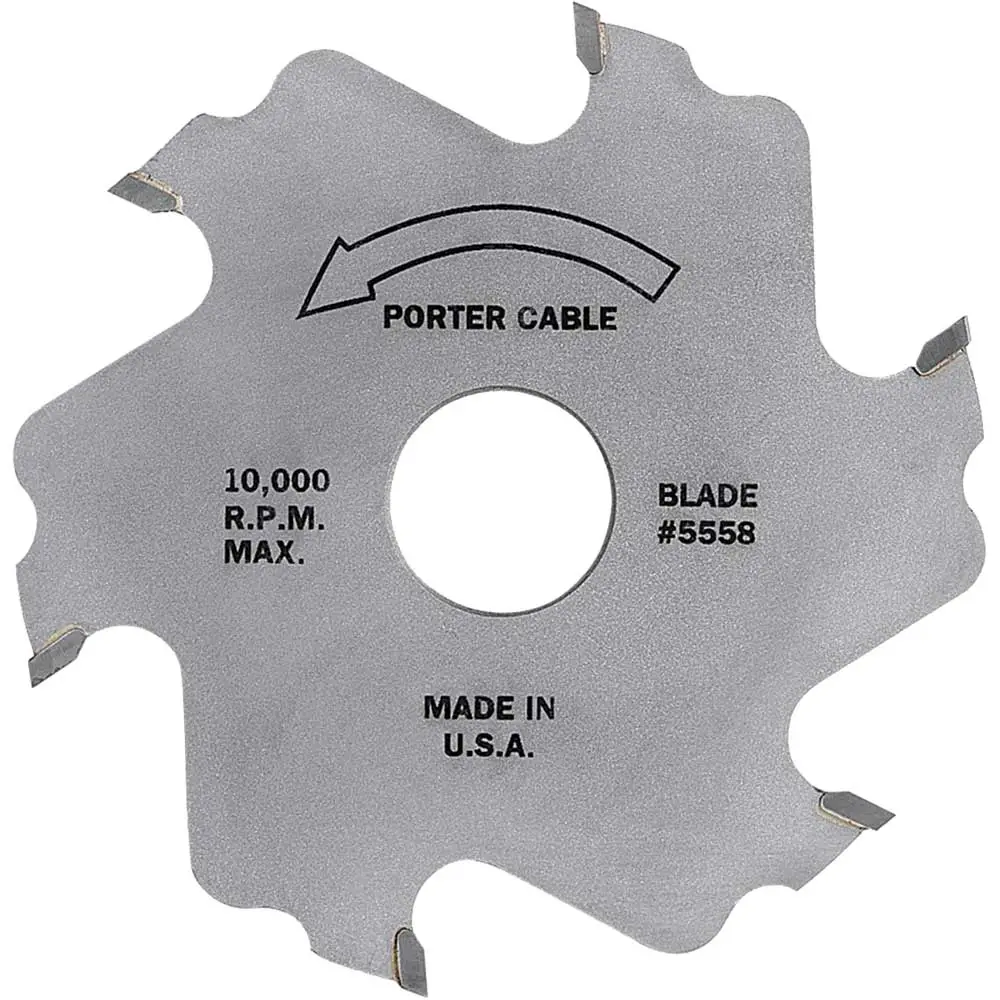
The porter cable biscuit joiner blades

There are many different types of porter cable biscuit joiner blades on the market. It can be difficult to decide which one is right for you. In this article, we will discuss the different types of blades available and help you decide which one is best for your needs. We will also talk about how to care for your blades and keep them in good condition.

Different types of porter cable biscuit joiner blades

The first type of blade is the standard blade. This blade is made of high-carbon steel and is designed for general purpose use. It is the most common type of blade used on porter cable biscuit joiners. Steel blades are less expensive but will need to be sharpened more frequently.

The second type of blade is the carbide-tipped blade. This blade is made of a harder material than the standard blade, and it is designed for more demanding applications. It is more expensive than the standard blade, but it will last longer and perform better in tougher situations. Carbide blades are more expensive but they hold their edge longer.

The third type of blade is the diamond-tipped blade. This blade is made of a very hard material, and it is designed for the most demanding applications. It is the most expensive type of blade, but it will last the longest and perform the best in the toughest situations.

Which type of blade is right for you? It depends on your needs. If you are doing general purpose work, the standard blade will be fine. If you need a blade that is tougher and more durable, the carbide-tipped or diamond-tipped blades would be a better choice.

Different sizes (inches) of porter cable biscuit joiner blades

There are many different sizes of biscuit joiner blades on the market. The most common sizes for porter cable biscuit joiner blades are two and four inches. The size of the blade you need will depend on the project you are working on. If you are working on a large project, you will need a larger blade. If you are working on a smaller project, you can use a smaller blade.

The size of the blade you need will depend on the type of wood you are working with. If you are cutting hardwoods, you will need a larger blade. For softer woods, a smaller blade will suffice.

Care of porter cable biscuit joiner blades

Porter cable biscuit joiner blades require special care in order to stay sharp and working properly. Here are a few tips on how to care for your blades:

  • Always store the blades in a dry place. Moisture can cause the blades to rust.
  • When not in use, cover the blades with a light oil to prevent rusting.
  • Be sure to clean the blades after each use. A build-up of sawdust can cause the blades to dull more quickly.

By following these simple tips, you can extend the life of your porter cable biscuit joiner blades and keep them working like new.

How do you change the blade on a Porter Cable plate joiner?

If you’re looking to change the blade on your Porter Cable plate joiner, there are a few things you need to know. First, make sure that you have the right size wrench for the bolts that hold the blade in place. Next, loosen the two screws that hold the blade in place. Be careful not to lose them! Finally, remove the old blade and insert the new one. Make sure that the new blade is tight before using the joiner again.

Changing the blade on your Porter Cable plate joiner is a simple process that anyone can do. With a little bit of know-how, you’ll be back to making perfect joints in no time!

Conclusion

Now that you know more about porter cable biscuit joiner blades, you can make an informed decision about which type is right for you. Be sure to consider all of the factors we have discussed before making your purchase. With a little research, you can find the perfect blade for your needs.

Woodworking Dovetail Saw the Ultimate Guide

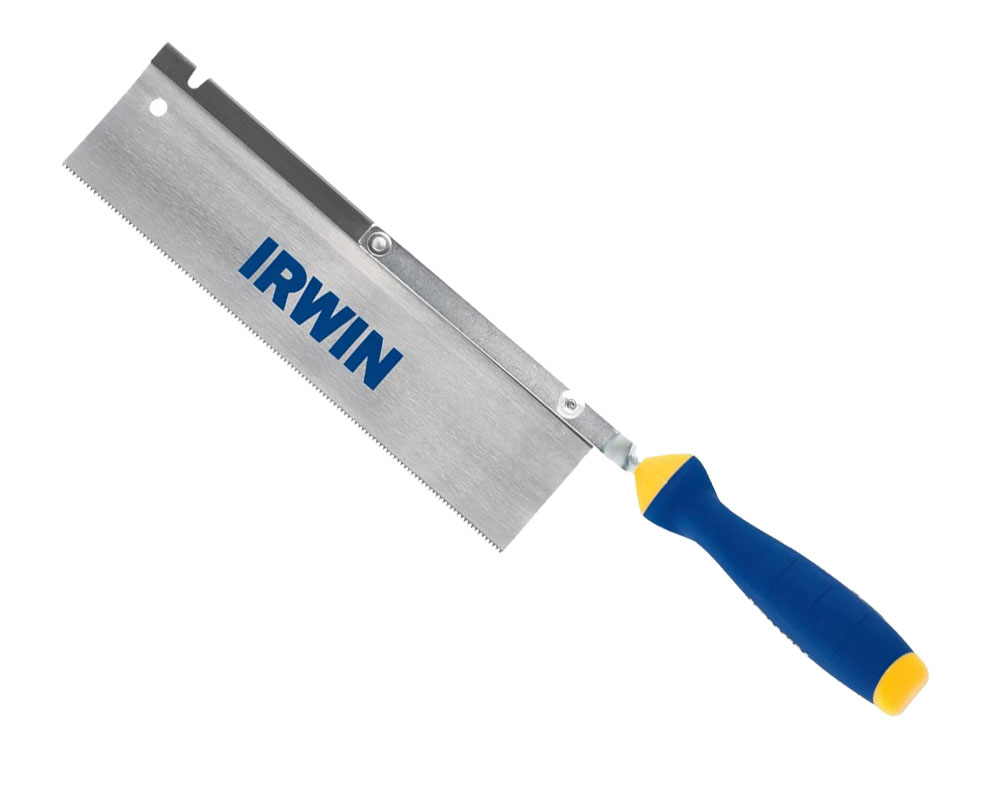
If you’re into woodworking, then you know that a dovetail saw is an essential tool in your arsenal. This type of saw is perfect for making precise cuts, and it can be used for a variety of applications. In this article, we will take a look at the different types of dovetail saws available on the market, as well as the features that you should consider when making your purchase. We’ll also provide some tips on how to use a dovetail saw safely and effectively. So whether you’re a beginner or a seasoned pro, read on for all the info you need to choose the right dovetail saw!

History of dovetail saws

The first dovetail saws were created in the 18th century. These early saws were used by cabinetmakers and other woodworkers to create precise, clean cuts. The blade of a dovetail saw is set at an angle, which allows for more control when making cuts. The teeth on these early saws were also very sharp, which made them ideal for cutting through hardwoods.

In the 19th century, dovetail saws became more popular among woodworkers. These saws were used to create intricate designs and patterns. The blades of these saws were often decorated with engravings or other artwork.

Parts Of A Dovetail Saw

There are three main parts to a dovetail saw: the blade, the handle, and the guard. The blade is the most important part of the saw, as it is responsible for making the cuts. The handle is used to grip the saw and keep your hand from slipping. The guard is there to protect your fingers from being cut by the blade.

Types of dovetail saws

When it comes to woodworking, there are a few different types of dovetail saws that you can choose from. There are two main types of dovetail saws: Western and Japanese. Both types of saws can be used for various applications, but the Japanese saw is generally considered to be better for making delicate cuts.

Western dovetail saws

The most popular type is the Western-style dovetail saw, which is characterized by its long, straight blade with a pointed tip. This type of saw is perfect for making precise cuts, and it can also be used for a variety of other applications.

Japanese dovetail saws

Another type of dovetail saw that is becoming increasingly popular is the Japanese-style dovetail saw. This type of saw is shorter and has a curved blade with a rounded tip, which makes it perfect for making detailed cuts. The Japanese-style dovetail saw is also becoming more popular because it is easier to use than the Western-style saw.

How to choose a dovetail saw

When choosing a dovetail saw, you’ll want to consider the following factors:

Blade material

Most dovetail saws have a carbon steel blade, but you can also find blades made of stainless steel or high-carbon steel. Carbon steel is the most common type, as it is durable and relatively inexpensive. Stainless steel blades are more expensive, but they’re less likely to rust. High-carbon steel blades are the strongest and most durable option, but they’re also the most expensive.

Blade size

Dovetail saws typically have a blade length of between six and eight inches. If you’re looking for a saw that can handle tougher cuts, then you’ll want to choose a blade that is on the larger side. However, if you need a saw for more delicate work, then a smaller blade might be better.

Handle material

The handle of a dovetail saw is typically made of wood, plastic, or metal. When choosing a dovetail saw, it is important to select one with a comfortable handle that will not slip in your hand. Wood handles are the most comfortable to hold, but they’re also the most prone to damage. Plastic handles are less comfortable, but they’re more durable. Metal handles are the most durable option, but they can be uncomfortable to hold for long periods of time.

Teeth per inch (TPI) of a dovetail saw

The first thing you need to consider when purchasing a dovetail saw is the number of teeth per inch (TPI). This is an important factor because it will determine the accuracy of your cuts. If you’re looking for a saw that can make precise cuts, then you’ll want to choose one with a higher TPI. while a saw with fewer TPI will make rougher cuts.

There are a few different types of dovetail saws available on the market, and each one has a different TPI. The most common type is the standard dovetail saw, which has 14 TPI. This type of saw is perfect for general woodworking applications. If you’re looking for a more precise saw, then you’ll want to choose one with a higher TPI. The next type of dovetail saw is the Japanese dovetail saw, which has 16 TPI. This type of saw is perfect for making very precise cuts.

The last type of dovetail saw is the German dovetail saw, which has 18 TPI. This type of saw is the most precise of all the dovetail saws, and it’s perfect for making extremely intricate cuts.

Now that you know what to look for in a dovetail saw, let’s take a look at some of the best options on the market.

How to use a dovetail saw safely and effectively

Most woodworkers will agree that a dovetail saw is an essential tool in any woodworking shop. This type of saw is perfect for making precise, clean cuts – something that is crucial in any woodworking project. Whether you’re working on a piece of furniture or creating a wooden toys, having a good dovetail saw will make your life a lot easier. There are a few things to keep in mind when using a dovetail saw:

  1. Always make sure that the saw is properly secured before beginning your cut. This will help to prevent any accidents from happening.
  2. Take your time when making your cuts – rushing through the process will only lead to sloppy results.
  3. Always use a saw blade that is sharp and in good condition. A dull blade will make it more difficult to get clean cuts, and it can also be dangerous.
  4. If you’re making a crosscut, you would hold the saw at a 90-degree angle to the workpiece and make your cut. On the other hand, if you’re making a rip cut, you would hold the saw at a 45-degree angle to the workpiece.
  5. Additionally, you’ll want to make sure that you’re using the proper blade for the job. For example, a finer-toothed blade will be better suited for making delicate cuts, while a coarser-toothed blade will be better for making rougher cuts.

Best dovetail saw

One of the best dovetail saws on the market is the Stanley 16-inch FatMax Dovetail Saw. This saw has a blade made of high-carbon steel, which makes it durable and tough enough to handle even the most challenging cuts. The blade is also 16 inches long, which makes it ideal for tougher applications. The handle is made of metal, so it’s durable, but it can be uncomfortable to hold for long periods of time. The saw also has a TPI of 14, making it perfect for making precise cuts.

Another great option is the WEN 3621 16-Inch Variable Speed Scroll Saw. This saw has a blade made of carbon steel, which makes it durable and affordable. The blade is also 16 inches long, making it ideal for tougher applications. The handle is made of wood, so it’s comfortable to hold, but it’s not as durable as other options. The saw also has a variable speed feature, so you can adjust the speed depending on the type of cut you’re making. The TPI on this saw is 18, so it’s perfect for making precise cuts.

No matter what your budget or needs are, there’s a dovetail saw out there that’s perfect for you. So get out there and start woodworking!

How do you sharpen a dovetail saw?

There are a few different ways to sharpen a dovetail saw. You can use a file, which is the traditional method, or you can use a sharpening stone. If you decide to use a file, make sure that it is a triangular file. Start by filing the teeth on one side of the blade, and then move to the other side. Remember to file in the direction of the grain, and be careful not to file too deeply.

If you decide to use a sharpening stone, start by wetting the stone with water. Then, hold the saw at a 20-degree angle against the stone and sharpen each tooth individually. Move the saw back and forth across the stone until the teeth are evenly sharpened.

Once you have sharpened the saw, it is important to protect the blade by oiling it. This will help to prevent rust and keep the blade in good condition. Simply wipe a thin layer of oil onto the blade using a clean cloth.

Conclusion of woodworking dovetail saw

If you’re looking for a versatile and precise saw, then a dovetail saw is the ideal choice. With its sharp teeth and slim blade, it’s perfect for making clean cuts in a variety of materials. Plus, with proper care and maintenance, your dovetail saw will last for years to come. So don’t hesitate to add one to your woodworking arsenal today.

Wood Chisel vs Cold Chisel: Which One is Right For You?

When it comes to woodworking, there are a few different tools that you will need in your arsenal. One of the most important is the chisel. Chisels come in a variety of shapes and sizes, but two of the most common types are the wood chisel and the cold chisel. So, which one is right for you? In this article, we will compare the two types of chisels and help you decide which one is best for your needs.

Wood Chisel vs Cold Chisel

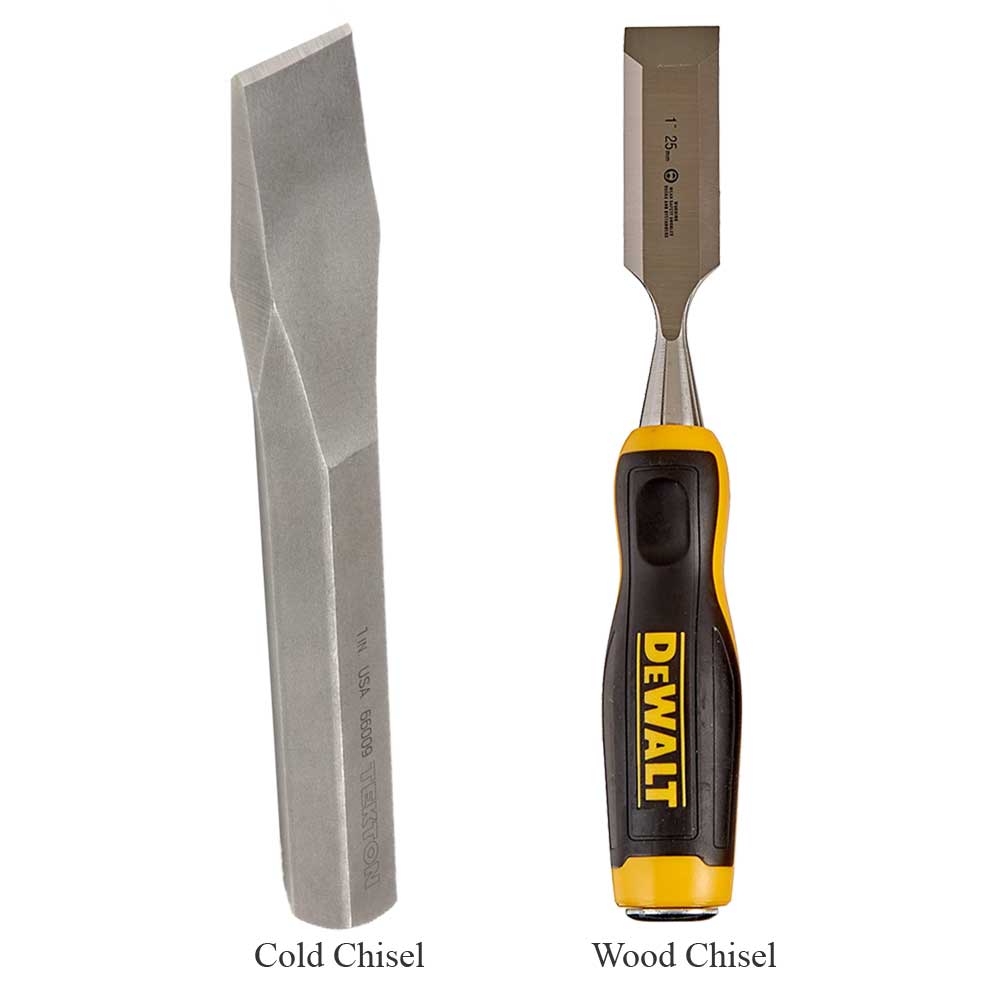
What is a wood chisel?

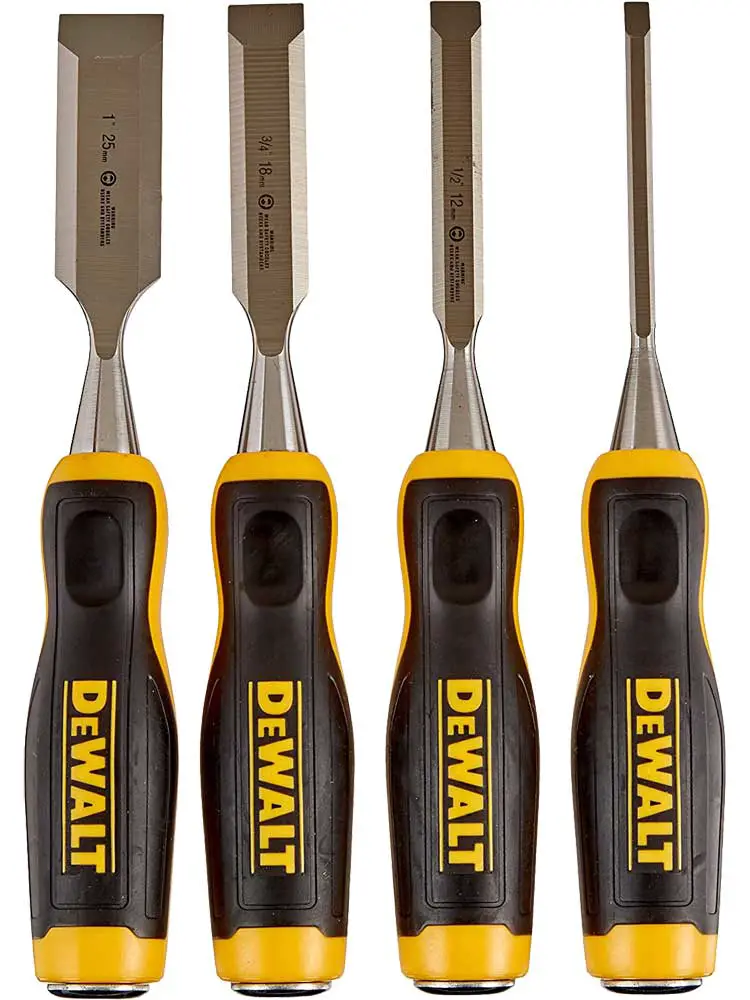
A wood chisel is a tool that is used to carve or cut wood. It has a sharp, metal blade that is set at an angle to the handle. This allows you to apply pressure to the chisel and create precise cuts in the wood. Wood chisels are available in a variety of sizes, so you can choose one that is best suited for the project you are working on.

One of the benefits of using a wood chisel is that it is less likely to damage the wood than a power tool. This makes it ideal for delicate projects or for working with expensive wood. However, the downside is that it can be more difficult to control than a power tool.

There are a few things to keep in mind when using a wood chisel:

  • Always sharpen the blade before use. A dull chisel will be more difficult to control and can damage the wood.
  • Apply even pressure when using the chisel. If you apply too much pressure, the blade may slip and damage the wood.
  • Be careful not to overcut. This can cause the wood to split or crack.

Now that you know a little bit more about wood chisels, let’s take a look at cold chisels.

What is a cold chisel?

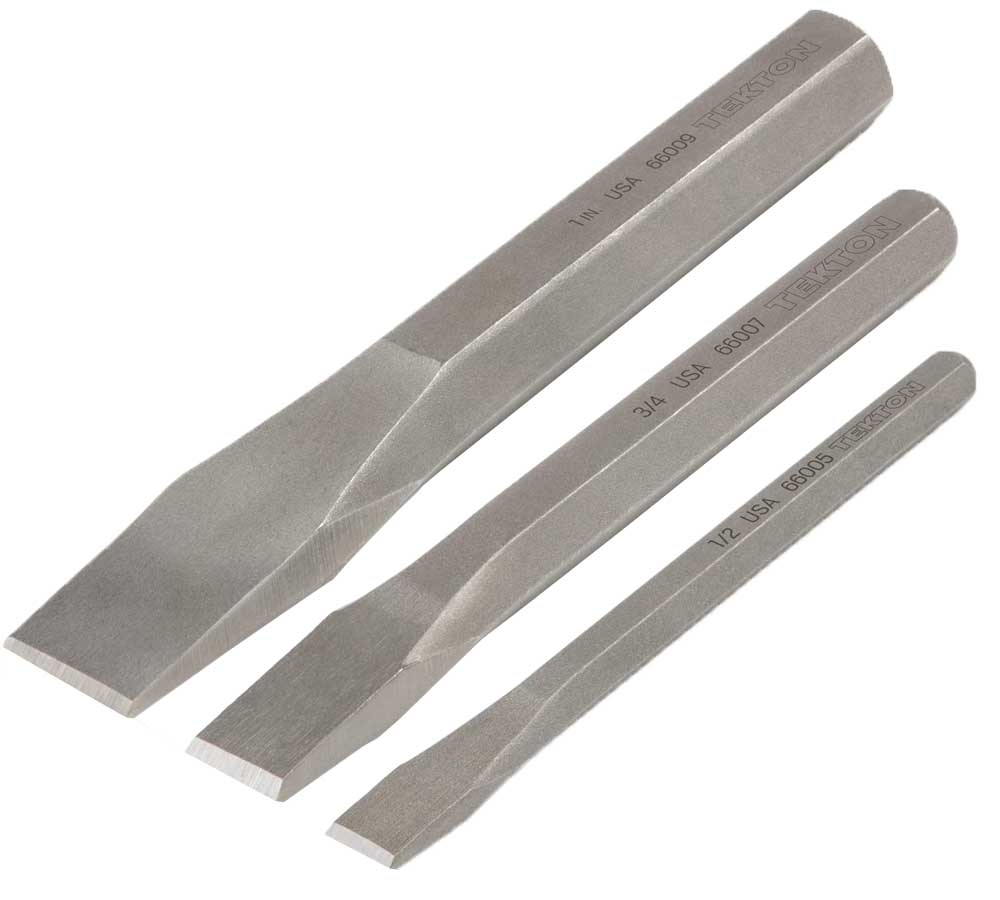
A cold chisel is a steel tool with a sharp, hardened edge that’s used for metalworking. The name “cold chisel” comes from the fact that it’s used to cut metal that’s cold, as opposed to hot metal. Cold chisels are available in a variety of sizes and shapes, and they’re used for a variety of tasks, from cutting metal to shaping it.

There are two main types of cold chisels:

  • Standard cold chisels: These are the most common type of cold chisels. They have a rectangular cross-section and a blunt end. The rectangular cross-section gives them more strength, making them ideal for cutting through tougher metals.
  • Parallel cold chisels: These have parallel sides and a pointed end. They’re narrower than standard cold chisels, making them better for cutting narrower grooves.

cold chisels are made from a variety of materials, but the most common type is carbon steel. Carbon steel is a strong and durable material that can stand up to a lot of wear and tear. However, it is susceptible to rusting, so it’s important to keep your cold chisel clean and dry.

If you’re looking for a cold chisel that’s more resistant to rust, you might want to consider one made from stainless steel. Stainless steel is a more expensive option, but it’s worth the investment if you’re concerned about rust.

There are a few things to keep in mind when using a cold chisel:

  • Wear gloves: Cold chisels are sharp and can cause cuts. Wear gloves to protect your hands.
  • Use a hammer: Cold chisels are designed to be used with a hammer. Don’t try to use them without one.
  • Apply pressure evenly: When you’re using a cold chisel, apply pressure evenly to avoid chipping the metal.
  • Go slowly: Cold chisels can remove a lot of material quickly, so go slowly and be careful.

6 differences between Wood Chisel and Cold Chisel

Firstly, the wood chisel is the most common type of chisel which is usually used for softer woods, such as pine or cedar. The blade of a wood chisel is usually beveled on one side, which allows you to create clean, precise cuts.

On the other hand, the cold chisel is designed for tougher materials, such as concrete or stone. The blade of a cold chisel is usually flat, which makes it ideal for breaking up hard surfaces.

Secondly, the wood chisel is better for working with small, delicate pieces while the cold chisel is ideal for larger projects.

Thirdly, the wood chisel is less likely to cause damage to the workpiece but the cold chisel can handle tougher materials and is less likely to damage the workpiece.

Fourthly, the wood chisel is typically used for softer woods while the cold chisel is designed for tougher materials.

Fifthly, the blade of a wood chisel is usually beveled on one side while the blade of a cold chisel is usually flat.

Finally, no matter which type of chisel you choose, be sure to use it safely and always wear protective gear when working with any type of tool. Happy woodworking!

Conclusion

In conclusion, it really depends on the project you are working on as to which type of chisel is right for you. If you are working with softwoods, small, delicate pieces, then a wood chisel is the way to go. However, if you are working with tougher materials or a larger project, then a cold chisel is the better choice. No matter which type of chisel you choose, be sure to use it safely and always wear protective gear when working with any type of tool. Happy woodworking!