An electric hand saw is a power-driven cutting tool designed to replace the manual effort of traditional sawing. By utilizing an electric motor—powered either by a corded outlet or a high-capacity lithium-ion battery—these tools drive a blade at high speeds to cut through wood, metal, plastic, and even masonry. Unlike stationary table saws, electric hand saws are portable, allowing the user to bring the tool to the workpiece. In 2026, the industry has seen a massive shift toward brushless motor technology, which offers higher efficiency, longer tool life, and smarter power management than older brushed models. Electric hand saws deliver faster cutting speed, cleaner edges, and consistent accuracy with significantly less physical effort.
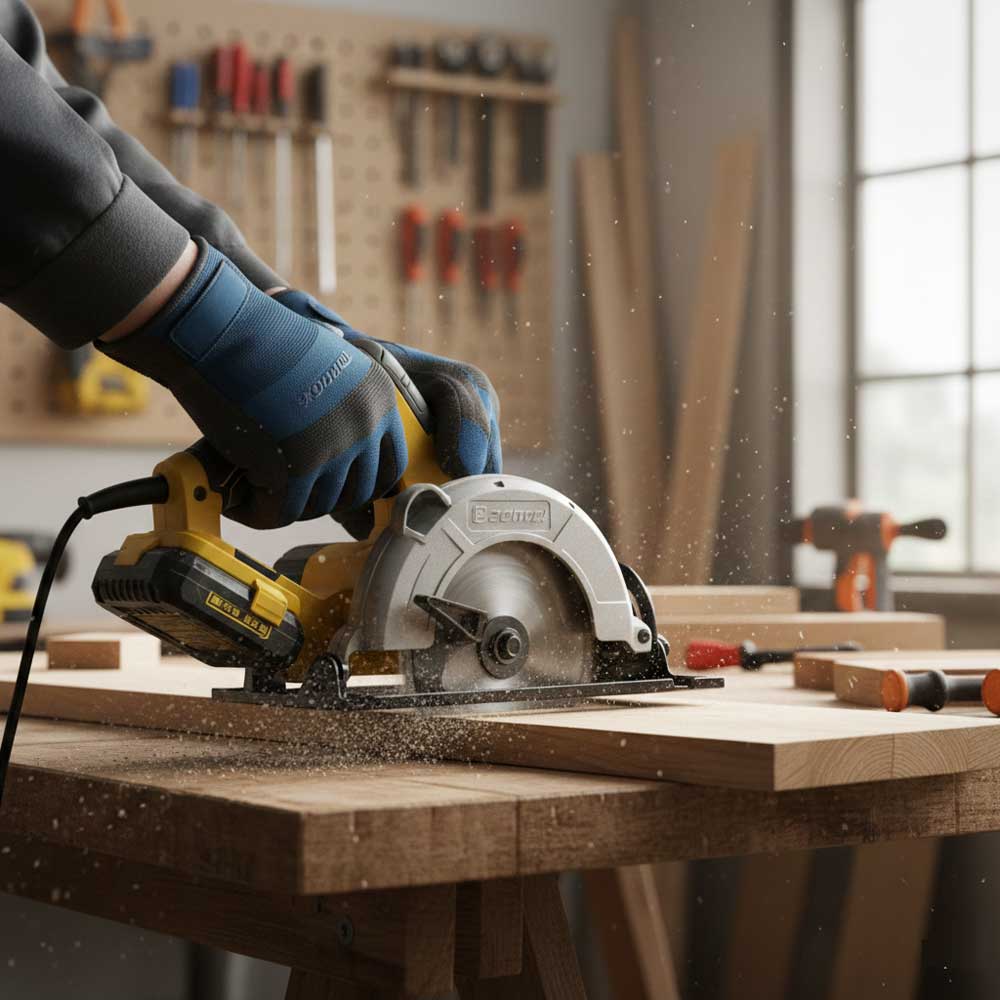
Types of Electric Hand Saws
Choosing the right saw depends entirely on the type of cut you need—whether it’s a straight rip cut, a curved decorative cut, or a rough demolition cut.
- Circular Saws
The workhorse of construction. These use a round, toothed blade to make fast, straight cuts in lumber, plywood, and MDF. They are essential for framing and decking. - Jigsaws
If you need to cut curves, circles, or intricate shapes, the jigsaw is your best friend. It uses a thin, reciprocating blade that moves up and down. Modern jigsaws feature orbital action, which moves the blade in a slight circular motion for faster cutting. - Reciprocating Saws (Sawsall)
Designed for “rough-in” work and demolition. The blade moves back and forth like a high-speed manual saw. It’s perfect for cutting through nails, pipes, and old wall studs. - Oscillating Multi-Tools
A versatile compact saw that uses a vibrating blade. It excels at “plunge cuts,” such as cutting an opening in drywall for an electrical box or trimming door casings. - Mini Circular Saws (Compact Saws)
A smaller, one-handed version of the circular saw. It’s ideal for DIYers who find full-sized saws intimidating or for working in tight spaces.
Uses of Electric Hand Saw Tool
Electric hand saws are versatile tools across industries and home use.
Common Applications
- Cutting wooden boards, beams, and panels
- Trimming doors and shelves
- Making furniture and cabinets
- Cutting metal pipes (with correct blade)
- DIY crafts and home décor
- Garden pruning (reciprocating saw)
Industries That Use Electric Hand Saws
- Construction & renovation
- Furniture manufacturing
- Electrical and plumbing work
- DIY and hobby workshops
Electric Hand Saw vs. Manual Saw
While manual saws still have a place for quick, precision tasks, electric versions dominate for several reasons:
| Feature | Electric Hand Saw | Manual Hand Saw |
| Speed | Extremely fast; finishes jobs in seconds. | Slow; requires significant physical effort. |
| Accuracy | High (with guides); less fatigue leads to straighter cuts. | Variable; dependent on user skill and stamina. |
| Versatility | Can cut wood, metal, and masonry with blade swaps. | Usually limited to one material type per saw. |
| Power Source | Electric/Battery | Human |
| Portability | Limited by battery life or cord length. | Infinite; requires no power source. |
| Cost | Higher initial investment ($50 – $300+). | Low cost ($10 – $30). |
| Productivity | Professional-grade | Limited |
How to Use an Electric Hand Saw Safely
Power saws are responsible for thousands of emergency room visits annually. Safety is non-negotiable.
- Wear PPE: Always wear impact-resistant safety glasses and gloves. Use ear protection for louder saws (like circular saws) and a dust mask when cutting MDF or treated lumber.
- Check the Blade: Ensure the blade is sharp and appropriate for the material. A dull blade is more likely to “kick back.”
- Secure the Workpiece: Use clamps. Never hold the piece you are cutting with your hand; the saw can bind and jump.
- Mind the Cord: If using a corded saw, ensure the lead is behind you and away from the cutting path.
- Let the Saw Reach Full Speed: Do not start the cut with the blade touching the material. Pull the trigger, let it reach max RPM, and then engage the wood. Safety is critical when using high-speed cutting tools.
- Keep hands away from the blade
- Disconnect power when changing blades
- Never force the saw—let it cut naturally
Best Electric Hand Saw for Home & DIY
For home users and beginners, focus on ease of use, safety, and versatility rather than industrial power. Key Features to Look For: Lightweight design, Ergonomic handle, Tool-free blade change, Battery level indicator (cordless), Variable speed control. For the average homeowner, the best “all-rounder” is a 18V/20V Cordless Circular Saw or a Compact Multi-Saw.
- Top Pick for Versatility: The Cordless Jigsaw. It handles both straight and curved cuts, making it perfect for most hobbyist projects.
- Top Pick for Maintenance: The Reciprocating Saw. If you have a garden with trees or an old shed to tear down, this is the tool you need.
- Top Pick for Accuracy: The 6-1/2 inch Circular Saw. Lighter than the professional 7-1/4 inch versions, but powerful enough for almost any home repair.
Electric Hand Saw Price & Buying Tips
Price Ranges (2026 Estimates)
- Budget ($40–$70): Corded models from entry-level brands. Good for occasional use.
- Mid-Range ($80–$180): High-quality cordless tools (tool-only). Ideal for serious DIYers.
- Professional ($200+): Heavy-duty brushless kits with high-amp hour batteries.
What to Look For
- Battery Ecosystem: If you already own a cordless drill, buy a saw from the same brand to share batteries.
- Brushless Motor: It provides 30–50% more runtime and better torque.
- Dust Extraction: Look for a saw with a vacuum attachment port to keep your workspace clean.
- Weight and Balance: If the tool feels “front-heavy,” it will tire your wrist quickly.
Conclusion
An electric hand saw tool is no longer a luxury—it’s an essential cutting solution for modern homes, workshops, and professionals. With the right type, blade, and safety practices, electric hand saws deliver speed, precision, and efficiency unmatched by manual tools. Whether you are a DIY beginner or a skilled craftsman, investing in the right electric hand saw will save time, improve results, and expand what you can build.
FAQ – Electric Hand Saw Tool
1: What is the best electric hand saw for beginners?
A lightweight jigsaw or mini cordless electric hand saw is best for beginners due to easy handling and safety.
2: Can an electric hand saw cut through metal?
Yes, provided you use the correct blade. A reciprocating saw with a bi-metal blade or a circular saw with a ferrous-metal cutting blade can easily cut through pipes and steel.
3: Is cordless better than corded electric saw?
In 2026, yes. High-voltage battery systems (60V or “Flex” systems) now match or exceed the torque of traditional 15-amp corded saws. Cordless saws offer portability, while corded saws provide continuous power. Choose based on usage.
4: How long does an electric saw blade last?
Blade life depends on material and usage but typically lasts several months for home use.
5: How often should I replace the blade?
Replace the blade if you see burn marks on the wood, feel the saw “struggling” to push through, or notice chipped teeth.
6: Are electric hand saws safe for home use?
Yes, when used properly with safety gear and correct technique.
7: What size electric saw do I need for DIY projects?
A 6.5-inch circular saw or standard jigsaw is ideal for most DIY tasks.
8: How much does a good electric hand saw cost?
A reliable home-use electric hand saw usually costs between $70 and $150.
9: What is “Kickback”?
Kickback occurs when the blade gets pinched in the cut, causing the saw to be violently thrown back toward the user. Always stand to the side of the cutting line.